SWOT Analysis: A Strategic Tool for Personal Growth
SWOT Analysis: A Strategic Tool for Personal Growth
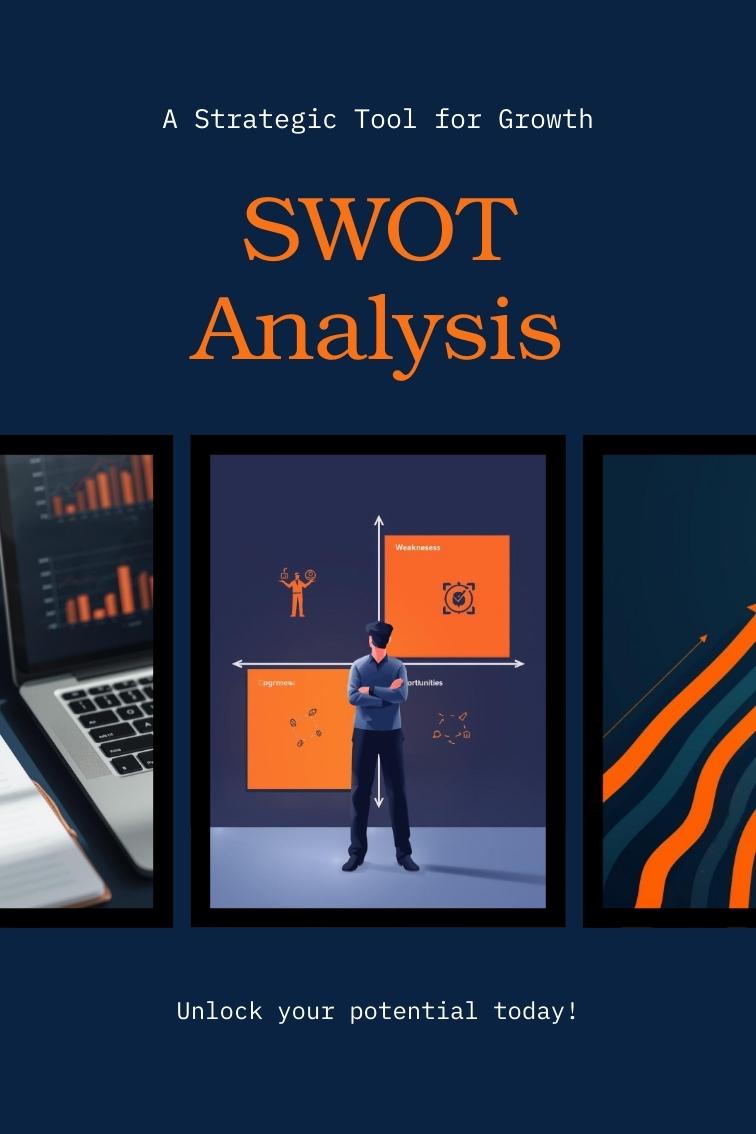
While usually reserved for business strategy, the SWOT Analysis (Strengths, Weaknesses, Opportunities, Threats) is an incredibly powerful framework for personal development and career planning. By taking an objective look at these four quadrants, you can make more informed decisions about your professional journey.
The Four Quadrants of Personal SWOT
- Strengths: What are you naturally good at? What skills have you mastered? What do colleagues praise you for? These are your unique selling points.
- Weaknesses: Where do you struggle? What tasks do you procrastinate on? What skills are you missing that are critical for your desired role? Identifying these isn't about self-criticism, but about finding areas for growth.
- Opportunities: What trends in the industry could you capitalize on? Is there a new technology (like AI) you can learn? Is there a gap in your current team that you could fill?
- Threats: What obstacles are standing in your way? Is your current skill set becoming obsolete? Is there intense competition for the roles you want?
How to Conduct Your Analysis
Grab a notebook or open a blank document and divide it into four sections. Spend 30 minutes brainstorm honestly.
- Be Objective: Try to view yourself from the perspective of an employer or a client.
- Be Specific: Instead of "I'm good at code," try "I'm excellent at refactoring legacy Java systems for better performance."
- Look for Intersections: Can a strength help you capitalize on an opportunity? Can learning a new skill mitigate a threat?
Conclusion
At Microquants, we apply strategic thinking to everything we do—from enterprise architecture to team management. Conducting a personal SWOT analysis is a high-signal activity that ensures you are not just working hard, but working smart.
Ready to take your career to the next level? Sometimes, the first step is just mapping out where you are today.